Why Your Matches Stop Texting Back — And the Science-Backed Moves That Actually Revive Dead Conversations
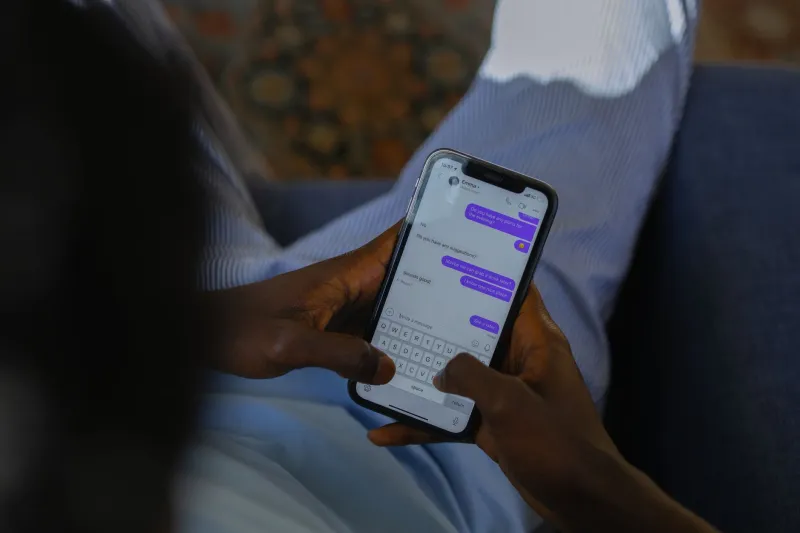
You know the feeling. You matched with someone genuinely interesting, traded a few good messages, maybe even had a moment where the banter felt real — and then the thread just... stopped. No dramatic ghosting, no conflict. Just silence. The chat sits there in your inbox like a party that no one officially canceled but everyone quietly left.
Welcome to the conversation graveyard. Population: basically everyone on every dating app right now.
This isn't a you problem, exactly. But it's not entirely random either. There's actual science behind why digital dating conversations collapse — and more importantly, there are patterns you can spot early and moves you can make before the whole thing flatlines.
The Attention Economy Is Working Against You
Let's start with the uncomfortable context. The average American checks their phone somewhere between 96 and 144 times a day, depending on which study you believe. They also receive somewhere between 65 and 80 push notifications daily. Dating apps are competing with work Slack messages, group chats, social media algorithms, news alerts, and the seventeen other things a person is trying to manage on any given Tuesday afternoon.
When a match goes quiet, the most common reason isn't that they've lost interest — it's that your conversation got buried under everything else and the mental energy required to re-engage felt like more friction than they could handle in the moment. And then another day passed. And then it just became awkward to restart.
This is what researchers call notification fatigue, and it's a structural feature of digital communication, not a personal rejection.
That said, knowing it's structural doesn't mean there's nothing you can do about it.
The Patterns That Predict a Dying Conversation
Not all conversation slowdowns are created equal. Some are just life — someone gets busy, a work week explodes, they went camping without cell service. Others are the beginning of a genuine fade. Knowing the difference saves you time and emotional energy.
Here are the signals that a conversation is actually losing momentum rather than just pausing:
Response length is shrinking. If someone went from writing three sentences to writing five words, that's a shift in engagement worth noticing. People who are interested tend to expand conversations, not compress them.
Questions have stopped appearing. Reciprocal curiosity is the engine of early-stage connection. When someone stops asking you things — even small things — the conversational investment is dropping.
The lag between responses keeps growing. One slow day is life. Three slow days in a row, when the pattern before was different, is a trend.
The messages feel transactional. Short confirmations, one-word answers, or responses that don't offer any new thread to pull — these are signs the other person is maintaining the conversation out of politeness rather than genuine interest.
None of these are definitive. But together, they paint a picture.
What Actually Revives a Dead Thread
Okay, so a conversation has gone quiet. Maybe it's been two days, maybe it's been five. You still want to reach out. Here's what the data — and the coaches — say actually works.
Don't apologize for the silence. "Hey, sorry I've been MIA" puts the focus on the gap itself and can make things feel heavier than they need to be. Just re-engage naturally, as if you're picking up where you left off.
Lead with something, not nothing. "Hey, what's up?" is the conversational equivalent of a shrug. It puts all the labor on the other person to restart the engine. Instead, bring something — a question, a funny observation, a reference back to something they mentioned before. It signals that you were actually paying attention.
Use pattern interruption. If the conversation has been stalling in a back-and-forth text format, change the medium. Suggest a voice note. Drop a meme that connects to something they said. Ask something slightly unexpected. Novelty triggers attention in a way that more of the same simply doesn't.
Reference something specific to them. "I went to that taco place you mentioned and you were completely right" is infinitely more compelling than a generic check-in. It proves the conversation wasn't just filler — you actually remember what they said.
Make the ask. Here's the thing that a lot of people avoid because it feels vulnerable: sometimes the reason a conversation is dying is that it's been all talk and no movement. If you're interested, say so. "I've been enjoying talking to you — want to actually grab coffee sometime?" is direct, low-pressure, and moves things forward. The worst that happens is they say no, which is information you needed anyway.
When to Let It Go
Not every conversation is worth reviving, and knowing when to release is just as valuable as knowing when to re-engage.
If you've made two genuine attempts to restart a thread and gotten minimal response, let it go. Not with bitterness — just with clarity. Some connections have a natural ceiling, and that ceiling being a few exchanged messages doesn't mean anything was wrong with you or with them. It just means the timing, the energy, or the interest wasn't there.
The sunk-cost fallacy is real in dating. People sometimes keep pouring effort into a dying conversation because they've already invested time in it — but that investment doesn't increase the probability of a good outcome. It just delays the pivot to something better.
The Bigger Picture
The conversation graveyard exists because digital dating is, structurally, an attention war. Everyone is competing against everything else on a person's screen, and the early stages of a match are the most fragile.
But here's the flip side: the daters who understand this dynamic have a genuine edge. They move conversations forward with intention. They make re-engagement feel easy rather than heavy. They know when to push and when to release.
And they don't take the silence personally — because most of the time, it really isn't.