The Checklist Trap: How Our Obsession With the Perfect Partner Is Making Us Undateable
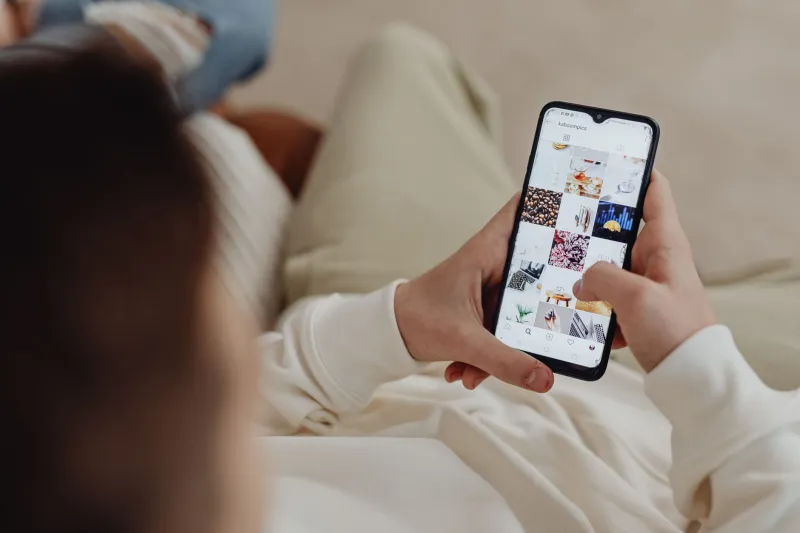
Somewhere between the third filter screen on your preferred dating app — where you can specify preferred height range, education level, religious background, political alignment, desired number of future children, and whether or not your potential match owns a dog — something went quietly wrong with how we think about human connection.
We got very, very good at knowing what we want. And in doing so, a lot of us got very, very bad at actually finding it.
Call it dealbreaker inflation. The phenomenon isn't new, but it's accelerating — and it's worth taking an honest look at what we're actually doing when we spend twenty minutes calibrating our preference settings before we've even opened the app.
The Paradox of Endless Choice
Psychologist Barry Schwartz wrote about this years ago in The Paradox of Choice — the idea that more options don't make us happier or better at deciding. They make us anxious, indecisive, and perpetually convinced that a better option is just around the corner. He was mostly talking about consumer products. But if you've spent any time on a modern dating platform, you know the phenomenon translates almost perfectly.
Hinge, Bumble, Tinder, and the rest have essentially gamified preference-setting. The more you filter, the more you feel like you're being smart and intentional about dating. And there's a surface-level logic to it — of course you should know what you want, right?
But here's where it gets complicated. Most of what we think we want in a partner — on paper, in advance, before we've ever met them — turns out to be a pretty unreliable predictor of actual chemistry and long-term compatibility. Research published in the Journal of Personality and Social Psychology found that people's stated preferences for a partner (the checklist version) often have weak to no correlation with who they actually feel attracted to in real life.
In other words, we're filtering out people we would have loved — and matching with people who check our boxes but leave us cold.
The Inflation Problem
Here's the cultural shift worth naming: dealbreakers used to be relatively serious things. Incompatible life goals. Fundamental values mismatches. Genuine red flags around behavior or character. These are legitimate filters. Nobody is arguing you should date someone whose core values are opposed to yours.
But somewhere in the last decade of app-mediated dating, the category of "dealbreaker" expanded dramatically. People in focus groups and Reddit threads and dating forums will casually list things like: he's two inches shorter than my preference, she doesn't have a graduate degree, he still has roommates at 31, she's not into the same niche music I like.
These aren't dealbreakers. They're preferences — preferences that, in a world without infinite options, most people would have happily looked past. But when the app makes it easy to disqualify someone with a left swipe before you've even read their bio, the cost of filtering feels low. So the threshold for filtering drops. And keeps dropping.
The result is a dating culture where rejection is easy, commitment feels harder than ever, and a growing number of people are quietly wondering why they're still single despite being on three apps simultaneously.
What Happens When People Actually Lower the Bar
This is where it gets genuinely interesting — and a little counterintuitive.
There's a small but growing cohort of daters who've started doing something intentional: deliberately relaxing their stated requirements and going on dates with people they would have previously filtered out. Not lowering standards around values or how someone treats them — but letting go of the aesthetic and logistical checklist.
The results, anecdotally and in some research contexts, are pretty striking.
A 2023 study out of the University of Toronto found that participants who went on dates with people outside their stated "type" reported higher levels of enjoyment and connection than they anticipated — and significantly higher than their pre-date predictions suggested they would. The researchers called this the "forecasting error" in romantic preference: we're bad at predicting what will actually feel good.
One 29-year-old in Atlanta described her experience this way: "I had a whole list. Height, job, whether he owned or rented, all of it. I went on a date with someone who failed like three of those criteria because a friend set us up and I couldn't say no. We've been together for two years. I'm embarrassed by my old list."
That story is more common than most people admit.
The Real Function of Dealbreaker Lists
Here's the part nobody really wants to say out loud: for a lot of people, an extremely long list of dealbreakers isn't really about standards. It's about fear.
When commitment feels scary — when past relationships have hurt, when vulnerability feels risky — a maximalist checklist is a very effective way to stay protected. If no one ever quite measures up, you never have to take the leap. The search continues indefinitely, and the search itself becomes the identity.
Dating apps, with their infinite supply of new faces and the constant suggestion that someone better might be one swipe away, feed this dynamic perfectly. They're architecturally designed to keep you searching, not to help you choose.
This isn't a moral failing. It's a pretty human response to a genuinely confusing emotional landscape. But naming it matters, because the first step to getting unstuck is recognizing the pattern.
What Intentional Dating Actually Looks Like
None of this means you should ignore red flags or say yes to every date out of some forced open-mindedness. Standards exist for a reason, and genuine incompatibilities are real.
But there's a difference between standards and a shopping list. A few reframes that daters who've broken out of the checklist trap tend to find useful:
Separate values from aesthetics. How someone treats people, what they want from life, whether they're emotionally available — those are standards worth holding. Whether they're exactly your height, went to the right school, or have the apartment you imagined? Those are preferences, and preferences are negotiable.
Give it more than one date. First impressions in person are weird and often misleading. Nerves are real. Chemistry sometimes takes a second encounter to show up. The swipe culture of instant judgment has bled into how we evaluate real-life meetings, and it's costing people real connections.
Ask yourself what's actually behind a dealbreaker. If someone not having a certain career is a dealbreaker for you, what's that actually about? Ambition? Shared lifestyle? Financial compatibility? Often the real concern is something more nuanced — and more workable — than the surface-level filter suggests.
Notice the search pattern. If you've been on apps for more than a year and nothing has progressed past a few dates, that's worth sitting with. Not to beat yourself up, but to ask honestly: is the checklist protecting you from something more than just bad matches?
The Bottom Line
We've built dating infrastructure that gives us more choice than any generation in history — and it's made a lot of us lonelier, pickier, and more convinced that the right person just hasn't appeared yet.
Maybe they have. Maybe you swiped left on them because they were 5'9" instead of 5'11". Maybe you unmatched them because their job title didn't land right. Maybe the checklist was doing its job a little too well.
The most interesting relationship question right now isn't "what do you want in a partner?" It's "how much of your list is actually about them — and how much is about you?"