Swipe Fatigue Is Real — And It's Quietly Wrecking Your Love Life
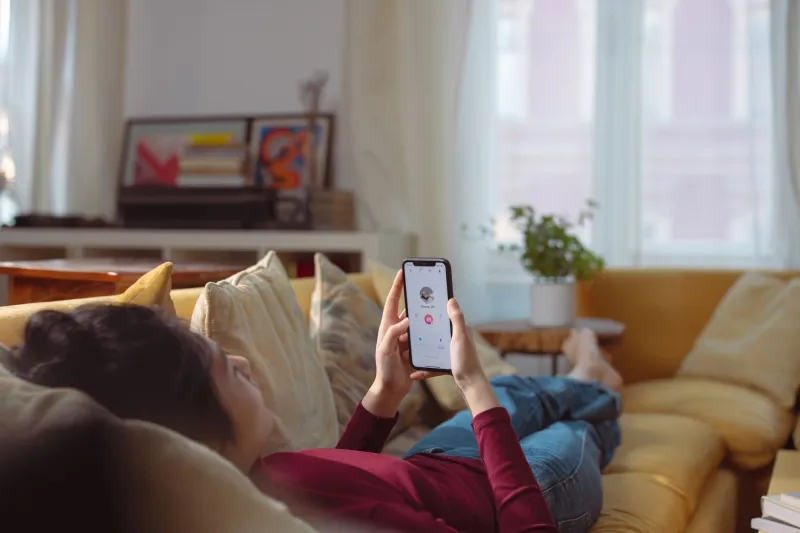
Let's paint a picture you probably recognize. It's a Tuesday night, you're lying on your couch, thumb moving on autopilot — left, left, right, left — and somewhere around the 40th profile, you realize you can't even remember what the last person looked like. You matched with someone three weeks ago and never messaged them. You have six conversations sitting at "hey, what's up?" that you just... haven't responded to. You feel vaguely exhausted, slightly hollow, and somehow more alone than you did before you opened the app.
Welcome to swipe fatigue. Population: basically everyone on a dating app right now.
The modern hookup landscape promised us abundance. Tinder, Hinge, Bumble, OkCupid, Coffee Meets Bagel — the options are genuinely staggering. At any given moment, millions of potential matches are theoretically within reach. So why does it feel so deeply, persistently lonely?
The Psychology Behind "Too Many Fish in the Sea"
Back in 2000, psychologists Sheena Iyengar and Mark Lepper ran a now-famous study at a California grocery store. When shoppers encountered a display of 24 jam varieties, they were drawn in — but far fewer actually bought anything compared to when the display offered just six options. More choice didn't lead to more satisfaction. It led to paralysis.
Dating apps took this concept and supercharged it to an almost absurd degree. Instead of 24 jams, you're looking at potentially thousands of profiles in your metro area alone. And unlike jam, romantic connection involves vulnerability, ego, and the very human fear of making the wrong call.
Psychologists call this the paradox of choice — the counterintuitive idea that expanding options can decrease well-being rather than increase it. When your brain is confronted with unlimited romantic possibilities, it does something predictable: it hedges. It keeps scrolling. It convinces you that a slightly better match is always just one more swipe away.
The result? Commitment becomes harder. Not because people don't want connection, but because the architecture of these platforms is specifically designed to keep you in a state of perpetual consideration.
The "Always Better Option" Trap
Here's where it gets a little uncomfortable. Dating apps don't actually make money when you find love — they make money when you keep using the app. The business model is engagement, not outcomes. That means the UX is built to feel rewarding in the short term (dopamine hit from a match notification) while subtly discouraging the kind of deliberate, patient investment that real relationships require.
This creates what relationship researchers sometimes call the "always better option" bias. You go on a decent first date. There's some chemistry, maybe a little awkward silence, nothing earth-shattering. And in the back of your mind, you're already thinking: but what about all those other matches I haven't met yet?
So you ghost. Or you keep things casual. Or you just never follow up. Because why invest in something imperfect when perfection might be a left swipe away?
Except perfection isn't a left swipe away. It never was. And the longer you stay in that loop, the more emotionally detached you become from the entire process of dating itself.
Decision Paralysis Meets Emotional Burnout
Talk to anyone who's been actively using dating apps for more than six months and you'll hear a version of the same story. The excitement fades. The conversations start to blur together. First dates feel like job interviews you didn't prepare for. You start going through the motions — crafting the same opener, answering the same "so what do you do for fun" question — and somewhere along the way, you stop actually showing up emotionally.
This is decision paralysis bleeding into full-on emotional burnout. And it's not a personal failure. It's a completely rational response to an irrational system.
A 2023 survey from the Pew Research Center found that 79% of online daters described their experience as at least somewhat negative, with the most common complaints being exhaustion, frustration, and feeling like the process was "dehumanizing." Nearly half said they felt worse about themselves after using dating apps. These aren't fringe experiences — they're the norm.
Breaking the Cycle Without Deleting Everything
So what do you actually do about it? Here's the thing — you don't necessarily need to quit apps cold turkey (though a break can genuinely help reset your baseline). What you need is to change how you're using them.
Set a daily limit. Treat swiping like social media scrolling — give yourself a cap. Fifteen minutes a day, max. This forces your brain to be more selective and intentional rather than treating profiles like a TikTok feed.
Prioritize depth over volume. Instead of matching with 50 people and surface-level chatting with all of them, try going deeper with two or three. Ask real questions. Be willing to be a little weird or vulnerable early. Quantity is the enemy of genuine connection here.
Make the date faster. The longer you text before meeting, the more you build up an imaginary version of someone in your head — and the more likely you are to be disappointed (or to ghost) before you ever get there. Move toward a low-stakes coffee or walk within a week of matching.
Practice deliberate commitment. After a first date, give yourself 48 hours before deciding whether to pursue it further — and actually think about it, rather than immediately comparing the person to your other matches. Real attraction often builds slowly. The apps condition us to expect instant fireworks, which is not how most lasting relationships actually start.
Take honest breaks. If you're swiping out of boredom or habit rather than genuine intention, log off. Loneliness that you're trying to scroll away tends to get worse, not better, the more you feed it with hollow matches and dead-end conversations.
The Counterintuitive Truth About Modern Dating
Here's the hardest pill to swallow in the whole swipe-fatigue conversation: the apps aren't going anywhere, and neither is the abundance of options. The paradox of choice is baked into the infrastructure of modern romance. You can't opt out of it entirely.
What you can do is opt out of the mindset it creates. You can choose to treat the people you match with as actual human beings rather than catalog entries. You can resist the algorithmic pull toward endless comparison. You can decide, consciously and repeatedly, that connection is more valuable than optionality.
The loneliness epidemic among app users isn't really about having too many choices. It's about what we do — or don't do — once we recognize the trap we're in. More swipes won't fix it. But a little more intention just might.