Gen Z Is Done Playing the Field — Here's Why Slow Dating Is Having a Major Moment
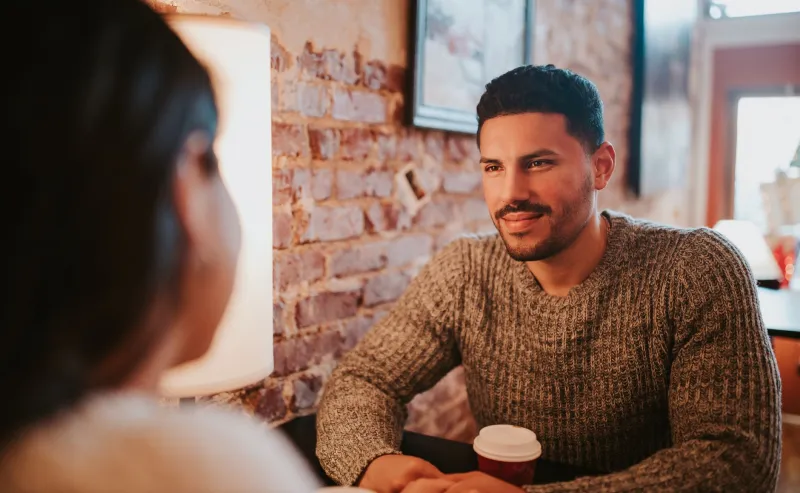
If you've spent any time on dating TikTok lately — and honestly, who hasn't — you've probably noticed something a little surprising. Sandwiched between the "situationship red flags" breakdowns and the "talking stage horror stories" content is a quieter, growing thread: young people actively rejecting the casual, keep-it-moving energy that defined dating culture for the past decade.
They're calling it slow dating. And it's less of a trend than it is a full-on generational correction.
Gen Z — roughly those born between 1997 and 2012 — grew up watching millennials pioneer hookup culture, swipe their way through their twenties, and build entire relationship philosophies around emotional unavailability and plausible deniability. And a significant chunk of them have looked at that blueprint and said, respectfully: no thanks.
What "Slow Dating" Actually Means
First, let's get clear on the concept, because "slow dating" gets thrown around loosely. This isn't about waiting until marriage or returning to some idealized 1950s courtship fantasy. It's not inherently religious or conservative. And it's definitely not about playing hard to get.
At its core, slow dating is about intentionality over volume. It means getting to know one person at a time before deciding whether to pursue anything further. It means being honest about what you want from the jump — whether that's something serious, something casual, or something you're still figuring out. It means resisting the urge to keep three conversations going simultaneously as a hedge against vulnerability.
For a lot of Gen Z daters, it also means going offline more. Meeting people through friends, at community events, in classes or workplaces — the old-fashioned ways that feel, paradoxically, fresh again to a generation that has literally never known a world without smartphones.
"I deleted all my apps about eight months ago," says Maya, 23, a grad student in Austin, Texas. "I was exhausted. Every conversation felt performative, like I was auditioning for something. I wanted to actually know someone before I decided if I liked them. You can't do that when you're juggling six Hinge matches."
Maya's experience isn't unusual. It's increasingly the norm among her peers.
The Burnout That Built This Backlash
To understand why slow dating is resonating so hard with Gen Z, you have to understand what they're reacting against. This is a generation that came of age with dating apps already fully embedded in the culture. They didn't discover Tinder as college seniors — many of them were swiping by their junior year of high school. They've had more exposure to app-based dating, for longer, than any generation before them.
And they're burned out in a very specific way.
Millennials largely experienced dating app fatigue as a late-twenties or thirties phenomenon — something that crept up after years of use. Gen Z is hitting that wall earlier, partly because the apps have gotten more sophisticated at capturing attention, and partly because they've watched older generations model what prolonged casual dating actually looks like at scale. The picture isn't pretty.
"My older sister is 32 and she's been on apps since she was 24," says Jordan, 21, from Chicago. "She's dated a lot of people. She's also really lonely. I don't want to be her in ten years. That's not a judgment of her — it's just not the life I want."
This kind of clear-eyed generational observation is remarkably common among younger daters. Gen Z watched the experiment play out and decided to run a different one.
Emotional Transparency as a Dating Strategy
One of the most striking things about the slow dating movement is how central emotional honesty has become to it. This is a generation that grew up in therapy (or at least therapy-adjacent — the language of mental health is deeply embedded in their cultural vocabulary), and they're applying that framework to romance in ways that would have seemed almost alien to daters even ten years ago.
Being upfront about wanting something serious isn't considered "too much" in these circles — it's considered respectful. Talking about your attachment style on a second date isn't oversharing — it's practical information. Saying "I'm not in a place to date casually right now" isn't a red flag — it's clarity.
Dr. Sarah Chen, a relationship therapist based in New York who works with a large Gen Z clientele, has noticed this shift dramatically over the past few years. "What I'm seeing is a generation that has genuinely internalized the idea that emotional availability is attractive," she says. "They've grown up hearing that vulnerability is strength, and they're actually trying to practice that in dating. It's imperfect — they're still young, they still make the same mistakes everyone makes — but the intention is different."
That intention, Chen argues, is what separates slow dating from simply being risk-averse or conflict-avoidant. It's not about protecting yourself from getting hurt. It's about creating the conditions where something real might actually grow.
Is This Actually a Rejection of Hookup Culture?
Here's where it gets nuanced, because Gen Z isn't monolithic and slow dating isn't a universal movement. Plenty of young Americans are still very much interested in casual connections, situationships, and no-strings arrangements — and there's nothing wrong with that. Sexual freedom and the ability to define your own relationship structure on your own terms is a feature of modern dating culture, not a bug.
What's shifting isn't so much what people want as it is the social permission to want something different. For a while, in the peak hookup culture era, admitting you wanted something serious felt almost embarrassing — like you hadn't gotten the memo that caring too much was cringe. Emotional investment was coded as desperation.
Gen Z is actively dismantling that stigma. "Wanting a real relationship isn't embarrassing anymore," says Priya, 24, from Atlanta. "My friends and I talk openly about wanting to fall in love. That would have been so uncool to admit even five years ago. Now it's just... honest."
That cultural permission shift is arguably the most significant thing happening here. Not that young people have suddenly stopped wanting casual sex — they haven't — but that they've stopped pretending they don't also want connection, depth, and the kind of relationship that actually goes somewhere.
What the Rest of Us Can Learn From This
Slowdating isn't just a Gen Z phenomenon, even if they're leading the charge. The underlying impulse — to be more intentional, more present, and more honest in how we pursue relationships — is something that resonates across age groups, particularly among people who've been in the dating trenches long enough to feel the wear.
If you're anywhere on the dating spectrum right now, there are real takeaways here. Dating one person at a time, even briefly, changes the quality of attention you bring to it. Being upfront about what you're looking for saves everyone time and emotional energy. Slowing down the early stages — resisting the urge to rush toward physical intimacy before you've established any actual connection — tends to produce better outcomes, whether you're looking for something serious or something casual.
The hookup trend isn't dead. But the next generation is proving, pretty convincingly, that it's not the only way to play this game — and that sometimes the most radical thing you can do in modern dating is simply decide to actually show up.